The National Black MBA Assciation is incorporated.
On June 12, 1963, civil rights leader Medgar Evers was assassinated outside his home in Jackson, Mississippi. Evers, a field secretary for the NAACP, had long been targeted for his work organizing voter registration drives, boycotts, and investigations into racial violence. His killer, white supremacist Byron De La Beckwith, was not convicted until 1994, despite overwhelming evidence. Evers\’ death, just hours after President Kennedy’s civil rights speech, shocked the nation and fueled momentum for the Civil Rights Act of 1964. His murder exposed the deadly consequences of racial hatred in the Deep South and galvanized public support for justice. Evers was buried with full military honors at Arlington National Cemetery, a recognition of both his service in World War II and his sacrifice in the struggle for civil rights at home.
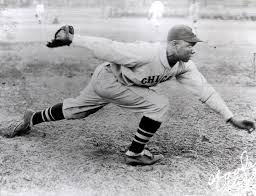
ON this date in 1904, Negro Baseball League player, William Hendrick “Bill” Foster was born. was an American left-handed pitcher in baseball’s Negro leagues in the 1920s and 1930s, and had a career record of 143-69. He was elected to the Baseball Hall of Fame in 1996.
ON this day in 1991, Michael Jordan lead Chicago Bulls in win over L.A. Lakers in five games to capture his first NBA Championship.
On June 12, 1967, the U.S. Supreme Court issued a landmark decision in Loving v. Virginia, declaring all laws banning interracial marriage unconstitutional. The case was brought by Richard and Mildred Loving, a white man and Black woman who were arrested in Virginia for violating state laws. In a unanimous ruling, the Court stated that marriage is a basic civil right and that denying it based on race violated the Equal Protection Clause of the 14th Amendment. This ruling invalidated laws in 16 U.S. states and became a pivotal moment in the Civil Rights Movement. June 12 is now celebrated annually as Loving Day, commemorating the courage of the Lovings and the ongoing fight for racial equality and marriage rights. The case remains a symbol of personal liberty, racial justice, and the legal dismantling of institutionalized racism in America.
On this day in 1967, a Race riot occurred in Cincinnati, Ohio. Three hundred persons were arrested, and the National Guard was mobilized.
On this day in 1963, Civil rights groups demonstrated at Harlem construction sites to Protest discrimination in building trades unions. Demonstrations and marches were held in metropolitan areas in June, July and August to dramatize discontent over housing, school and job discrimination.
IN this day in 1886, the Georgia State Supreme Court sustained the will of the late David Dickson, thus making Amanda Eubanks, the daughter of a slave and her owner, one of the wealthiest black women in nineteenth-century America. Dickson, a former slaveholder, willed more than half a million dollars to Eubanks.
The first known monument erected by African Americans to honor one of our heroes is dedicated to Richard Allen in Philadelphia’s Fairmont park.
On this day in 1840, the World’s Anti-Slavery Convention convenes in London, England.


© 2026 KnowThyHistory.com. Know Thy History