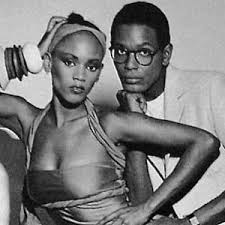
Willi Smith, a pioneering African American fashion designer, was born on this day in Philadelphia, Pennsylvania. He co-founded the influential label WilliWear Limited, which became known for its affordable, stylish clothing that blended streetwear and high fashion. Smith was one of the most commercially successful Black designers of the 20th century and left a lasting legacy on the fashion industry before his untimely death in 1987.
African American inventor Richard Spikes patented an early version of the automatic gear shift, a key innovation in automotive technology. His invention contributed to the development of modern automatic transmissions, enhancing vehicle safety and ease of use. Spikes held several patents and played a significant role in advancing mechanical engineering despite facing racial barriers.
The U.S. Congress passed the Second Enforcement Act, also known as the Civil Rights Act of 1871. This legislation gave federal officers the authority to supervise elections and ensure that Black Americans could vote without intimidation or obstruction. It was part of a series of Enforcement Acts designed to curb racial violence and suppress the growing influence of white supremacist groups like the Ku Klux Klan during Reconstruction.
The Arkansas legislature passed a law requiring all free Black people in the state to either leave Arkansas or face enslavement. This oppressive legislation reflected the intensifying racial discrimination in the antebellum South and underscored how even free Black communities were under constant threat of violence, displacement, and loss of liberty.
In a groundbreaking decision, the Rhode Island General Assembly passed legislation allowing the enlistment of enslaved men into the Continental Army. Those who enlisted were promised emancipation, making Rhode Island the first colony to offer freedom in exchange for military service during the American Revolutionary War. This act marked an early and significant intersection of Black military service and the struggle for freedom in the United States.
A violent slave revolt took place in Newton, Long Island (present-day Elmhurst, Queens, New York), resulting in the deaths of seven white colonists. In response, colonial authorities executed two Black male slaves and one Indigenous male slave by hanging, and a Black woman was burned alive. This early act of resistance highlights the brutal conditions of slavery in colonial America and the extreme punishments used to deter future uprisings.
Elias Neau, a French Huguenot and religious reformer, opened a school for Black students in New York City. Despite laws and social barriers against educating enslaved and free Black people, Neau’s school marked one of the earliest documented efforts to provide formal education to African-descended individuals in colonial America.
On this day, the “Exodus of 1879” began, marking the first major migration of Southern Black Americans after Reconstruction. Fleeing political oppression, violence, and economic exploitation in the South, thousands of African Americans—known as “Exodusters”—migrated to Kansas and other parts of the West in search of freedom and opportunity. The movement continued for several years and was led in part by Benjamin “Pap” Singleton, a formerly enslaved man who became a prominent advocate for Black land ownership and self-determination.
The 1940 United States Census reported a total population of 131,669,275, including 12,865,518 Black Americans—making up 9.8% of the national population. This data provided a critical benchmark for understanding the demographic landscape of the country on the eve of World War II and helped shape discussions on civil rights, labor, and migration in the decades to follow.
The acclaimed opera Porgy and Bess opened on Broadway featuring African American performers Anne Brown and Todd Duncan in the lead roles. Their casting marked a significant cultural milestone, showcasing Black talent in major theatrical productions during a time of widespread segregation and limited opportunities for Black artists on mainstream stages.


© 2026 KnowThyHistory.com. Know Thy History